
We all aim to get a proof approved in the first round, but sometimes feedback leads to another revision. PageProof keeps every round of feedback and each version together, so your team can see what needs attention and keep work moving towards approval.
How the proof lifecycle works
A proof moves through a clear cycle: create it, gather feedback, make changes, review the new version, and reach final approval. If more changes are needed, the next version returns to the same proof, keeping its history and review context together.
- Create and send a proof
Add your file, choose a workflow, and send it to reviewers. PageProof will flow the proof through the workflow from one step to the next, waiting for key stakeholders to leave their decision before moving on. - Review and share feedback
Reviewers add comments and markup, and leave their decisions. If the proof owner has received a to-do list from a gatekeeper or approver, they can assign the to-do list to an editor. - Action the feedback
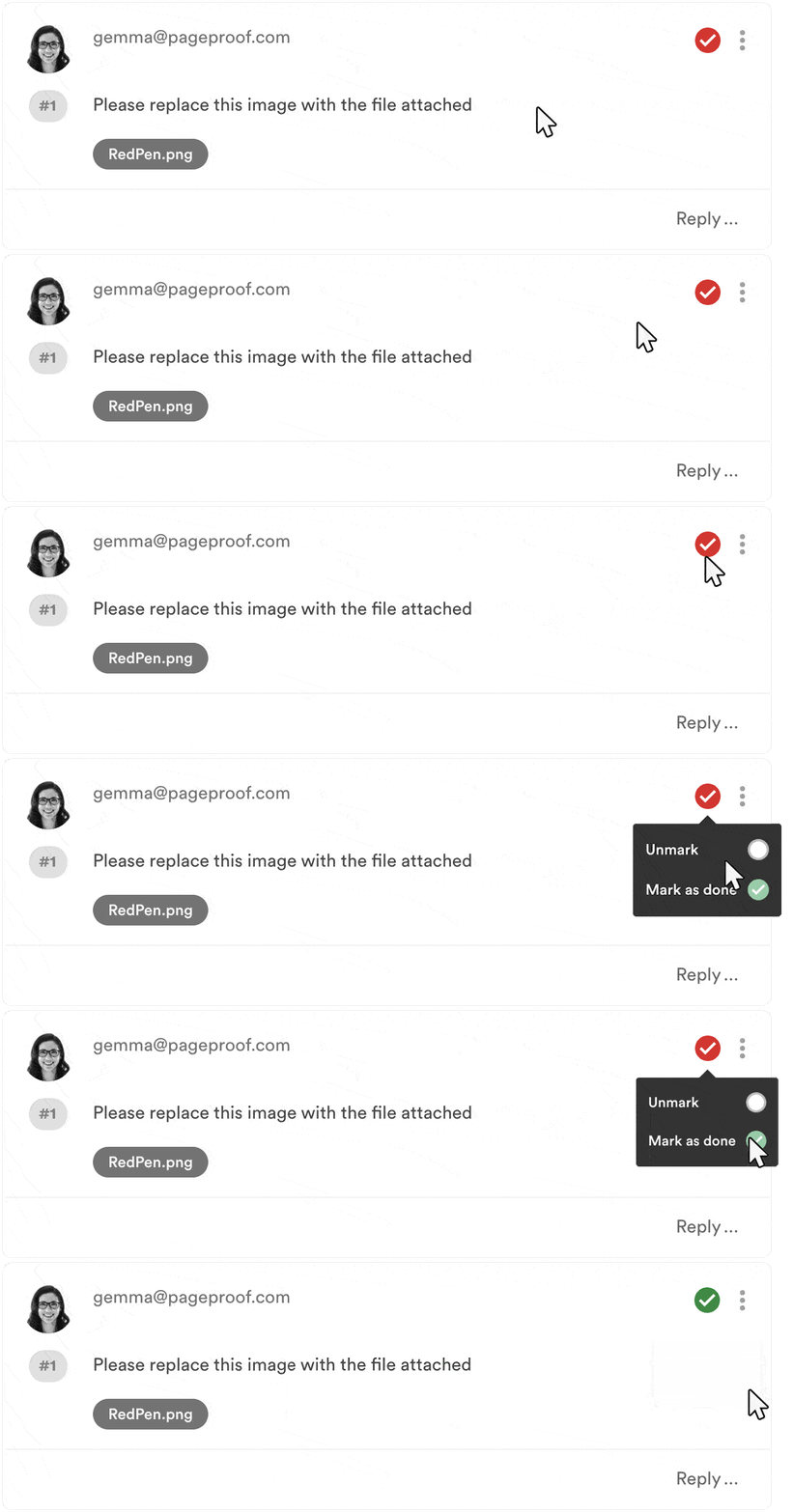
The proof owner or editor works through the requested changes and marks comments as done, making it easier for reviewers to see what has been addressed. - Upload a new version
Once the revised file is ready, upload it to the existing proof. The proof setup carries forward details such as the proof name, tags, settings, and workflow, which you can adjust before sending. Each version stays connected to the same proof, keeping its review history together. Compare versions to see what changed, or view the full audit trail across every version whenever you need a detailed record of the proof’s history. - Continue to approval
Reviewers check the latest version and either approve it or request further changes. The cycle continues until the work receives final approval.
Uploading new versions one at a time
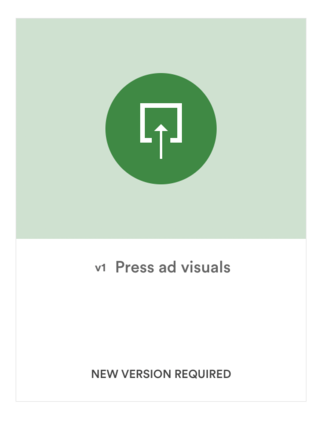
When a proof is marked as needing a new version, the proof owner or editor can upload the revised file to that proof. The proof setup carries forward details from the previous version, helping you prepare the next round without starting from scratch. You can send the new version through the same workflow or choose a different one.
Keeping versions on the same proof helps your team follow the review history, compare changes, and see how the work has progressed.
Bulk upload new versions with Enterprise
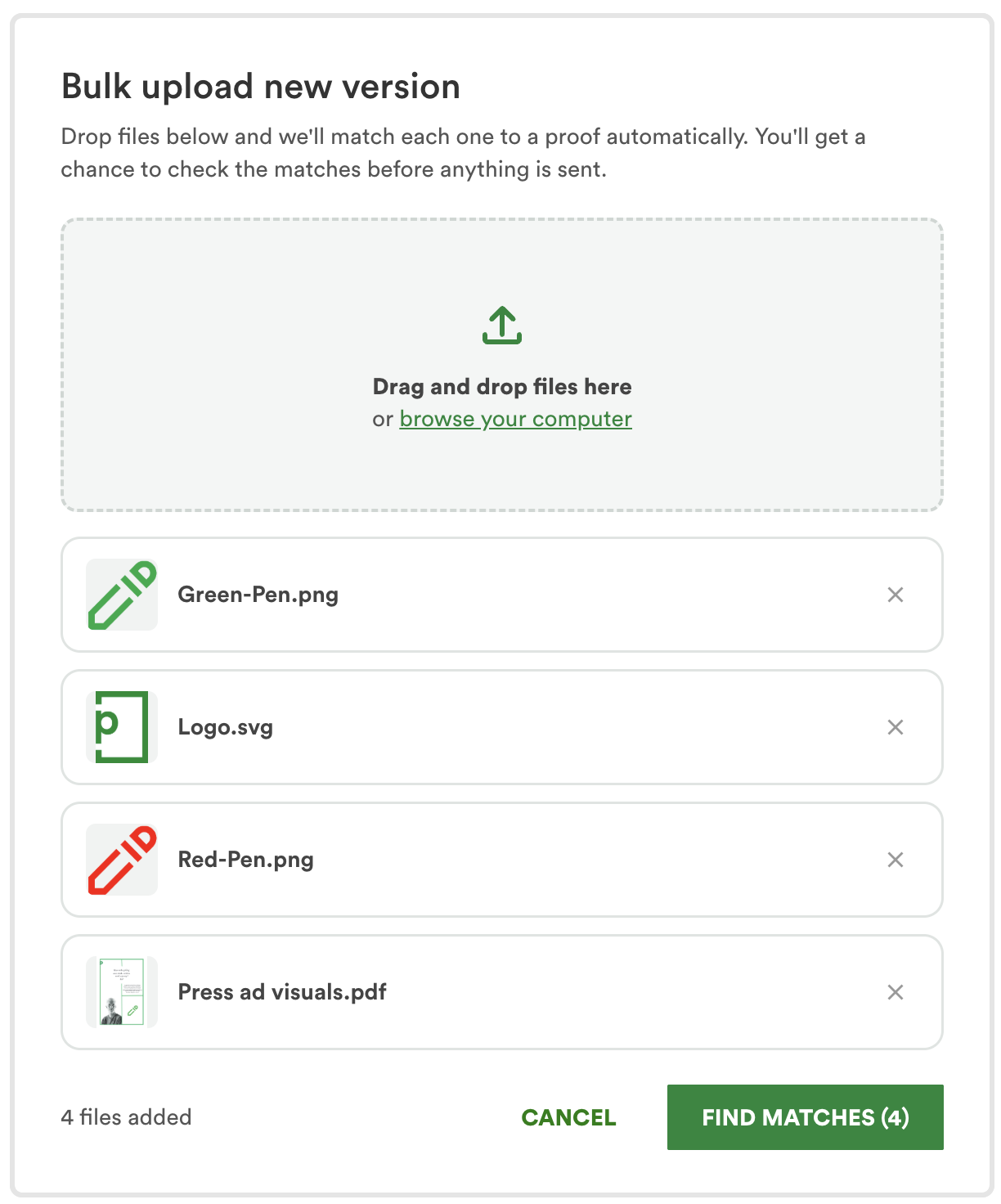
For teams updating many proofs at once, PageProof Enterprise supports bulk uploading new versions. Drop a batch of revised files into the bulk upload area, and PageProof matches each file to its existing proof so you can send multiple updates in one action.
Bulk upload helps teams avoid reopening and updating proofs one by one. It saves time on high-volume revision rounds, reduces repetitive setup, and keeps each revised file connected to the right proof and its review history. A team administrator needs to enable the feature.
Keep every round connected
From the first review through to final approval, PageProof keeps feedback and versions connected to each proof. Whether you’re updating one file or managing a batch of revisions, your team can see what’s changed, what still needs attention, and where each proof is in its lifecycle.